MODERN FARMHOUSE HEIRLOOM
From Her Kitchen, with Love
Simple recipes. Real ingredients. The way food used to be.
THE ORVILDA STORY
A Legacy of Nourishment
In our family, food was how we took care of each other.
Grandma Orvilda did not have a fancy kitchen, and she did not cook to impress anyone. She cooked because people needed to eat, and she knew how to make a good meal out of what she had. There was always a way to stretch things, make room for one more person, and put something warm on the table.
A lot of these recipes come from her. Some come from my mom, my aunt, and old handwritten notes I found tucked away in the family home. And some are mine, from years of cooking for my girls, trying to keep meals affordable, filling, and something everyone would actually want to eat.
I do update things when it makes sense. I use farm-fresh eggs, non-GMO flour, better pantry staples, and sometimes a lighter touch. But I do not want to change the heart of the food.
These are simple recipes from real kitchens. Some are remembered. Some were almost forgotten. And now I am finally writing them down.
RECIPE CATEGORIES
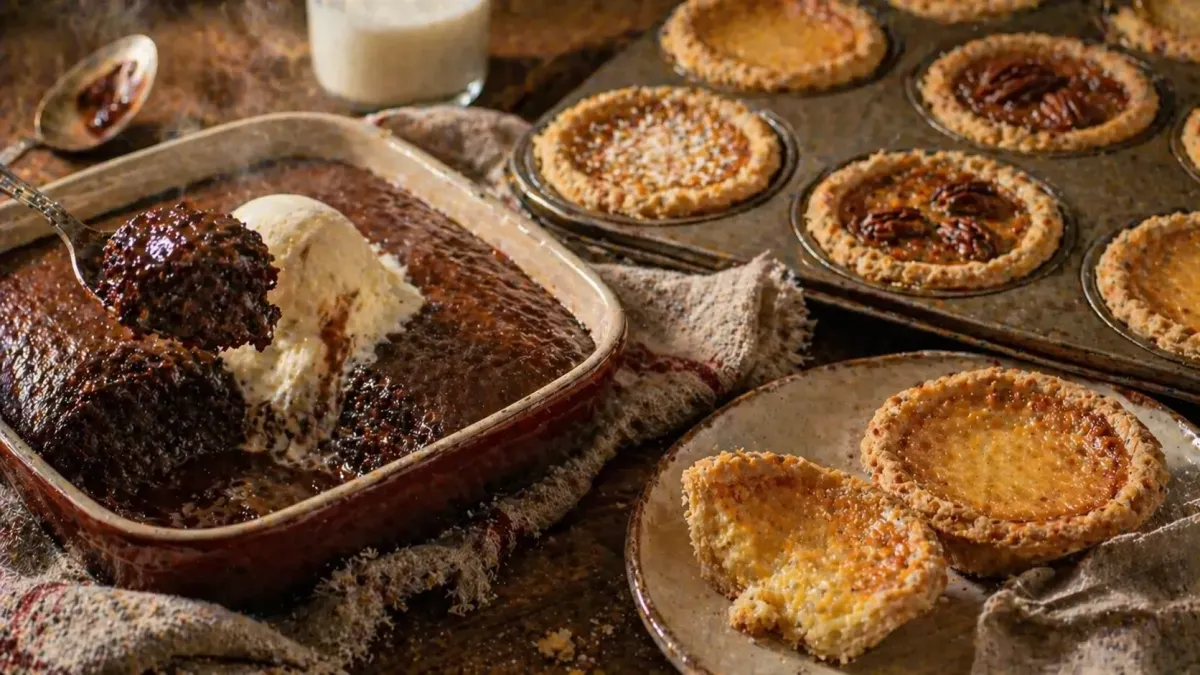
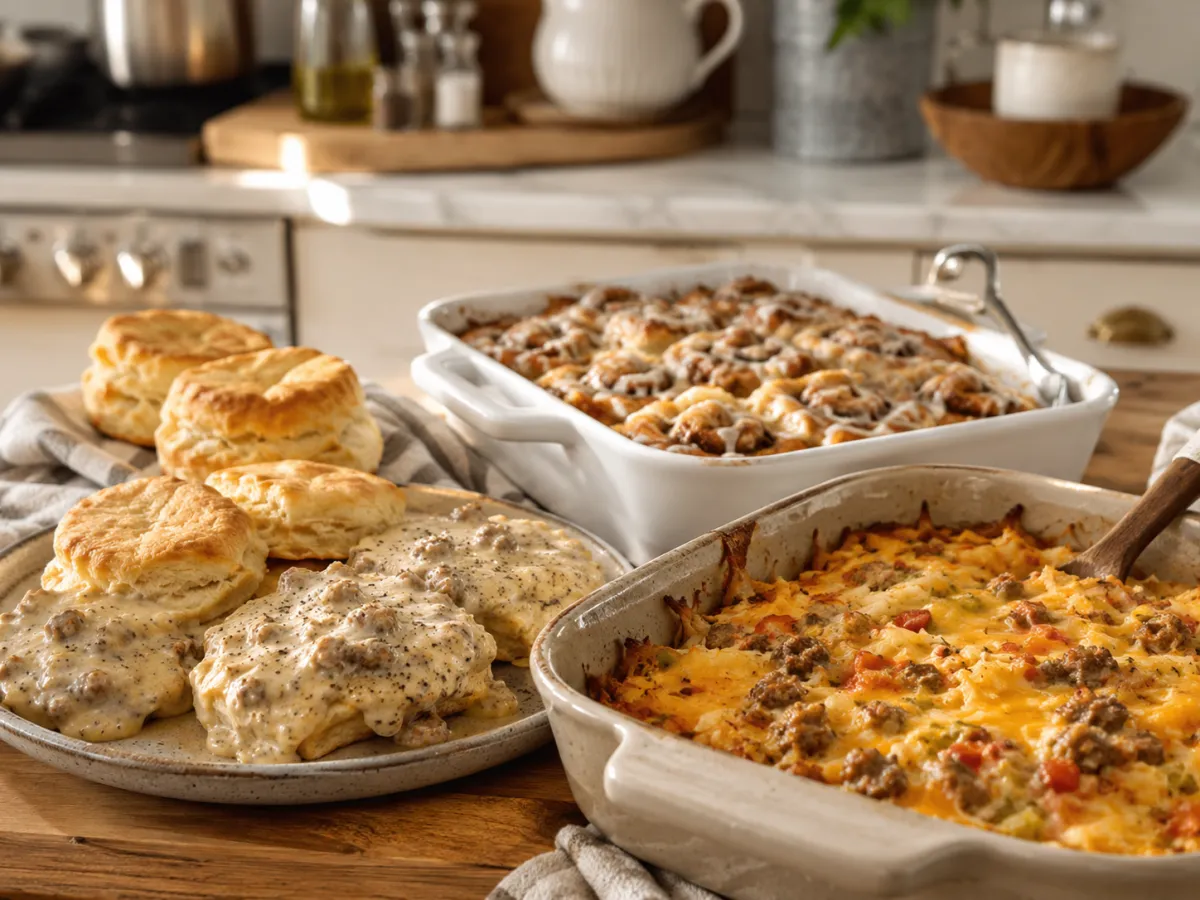
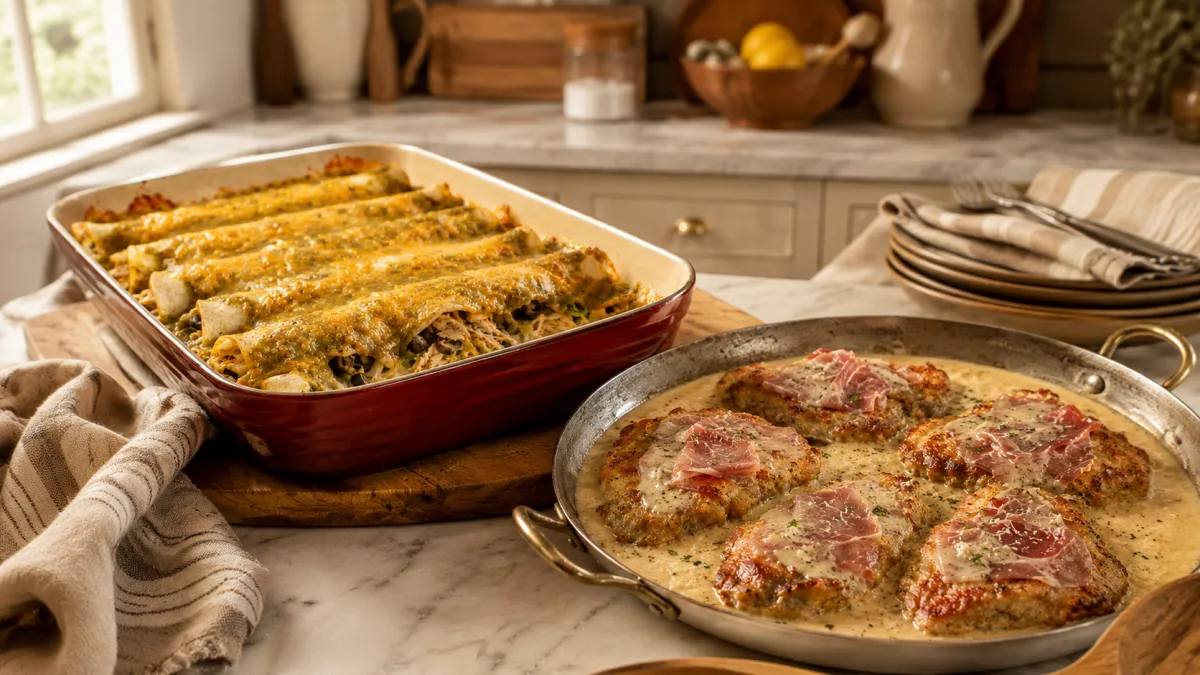
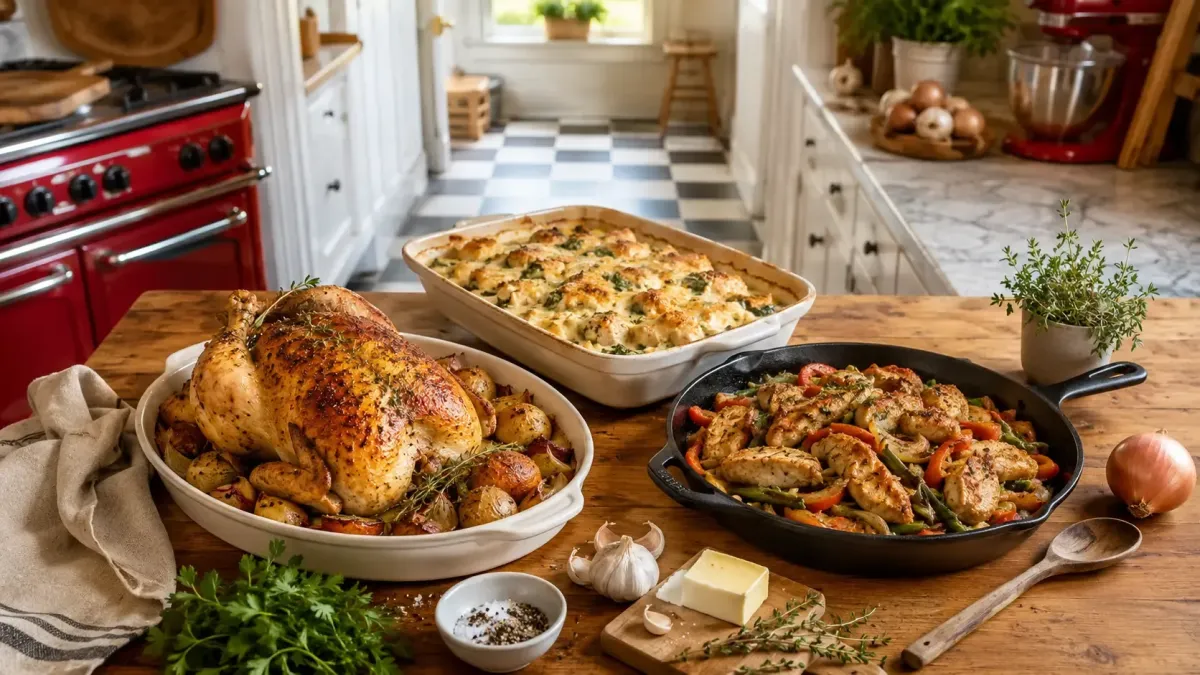
Explore the Pantry
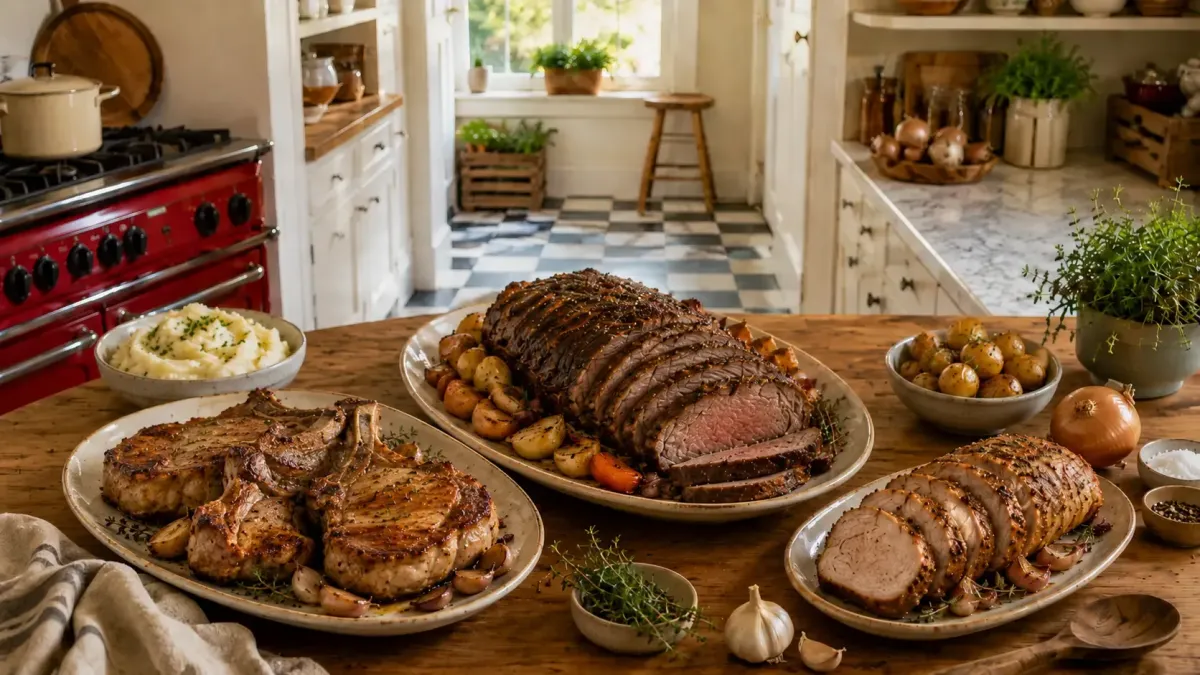
Browse our collection of time-tested family favorites, carefully organized for your table.
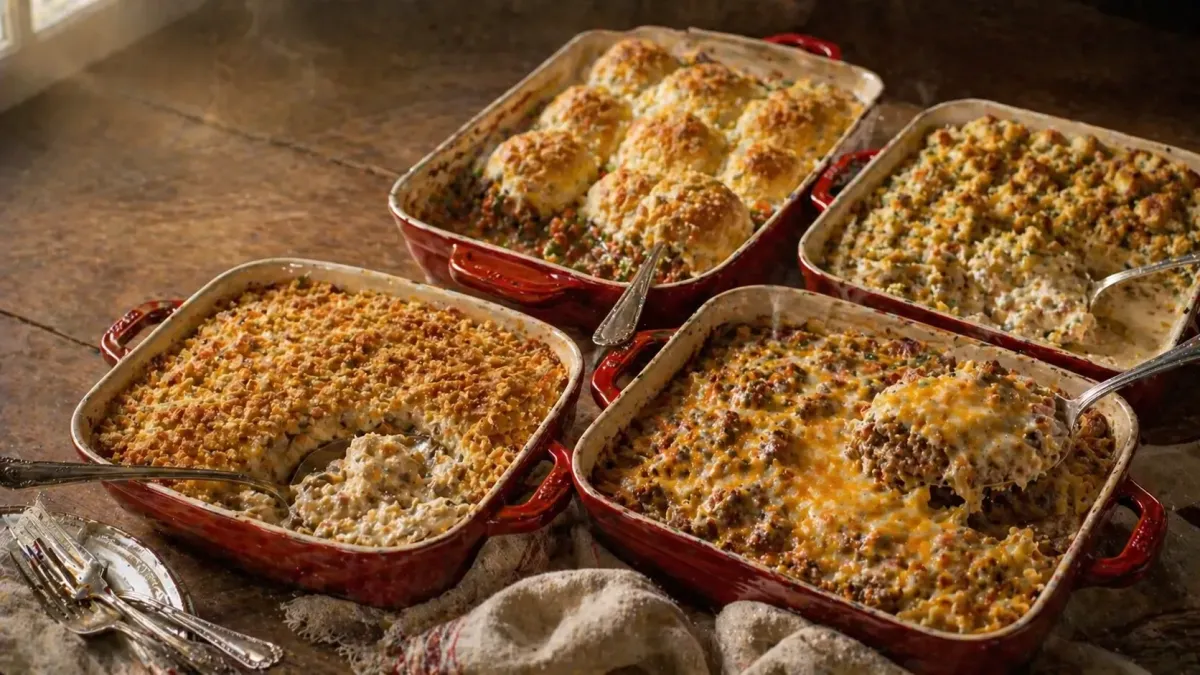
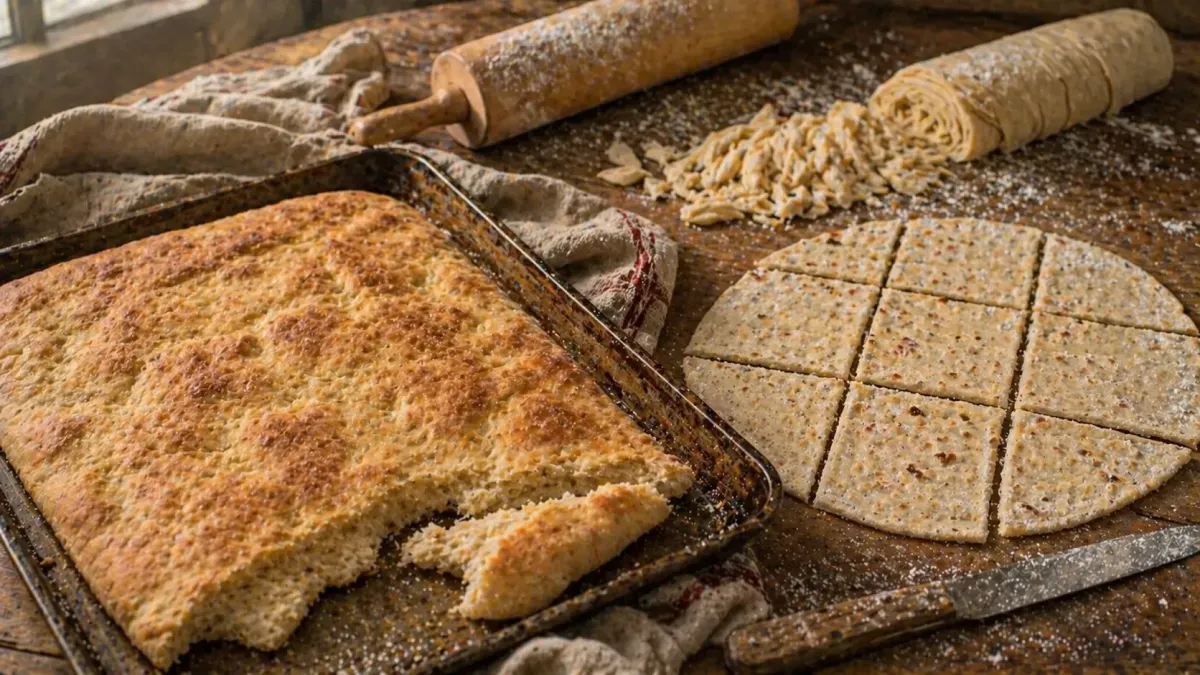
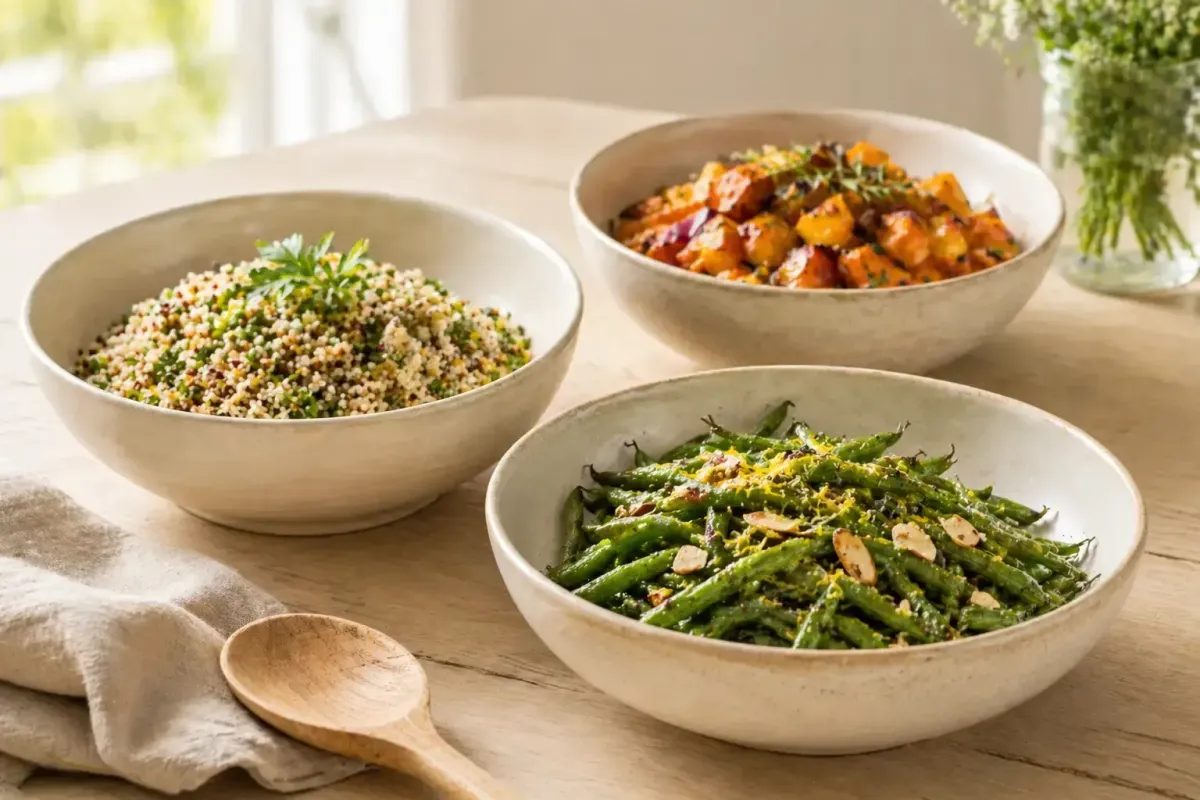
Grandma's Way,
My Way
Grandma did not cook from exact measurements. She cooked by memory, by feel, and by what she knew would feed everyone well.
Her food was simple and hearty. If butter made it better, she used butter. If cream made it more comforting, in it went. Nobody was standing there measuring everything perfectly. The point was to make enough, make it taste good, and get everyone to the table.
I still love that kind of food. I always will.
But I also cook with the ingredients I choose today — farm-fresh eggs, non-GMO flour when I can, cleaner pantry staples, real butter, and lighter options when they actually make sense.
I am not trying to change the heart of these recipes. I just want to carry them forward in a way that still feels like home, but also fits the way I cook for my family now.
MODERN UPDATE
Wholesome & Thoughtful
The comfort is what I want to keep.
Some of these recipes may look a little different in my kitchen today. I use farm-fresh eggs, non-GMO flour, real butter, cleaner pantry staples, and lighter touches when they make sense.
But the reason for making them has not changed.
They still need to taste like home. They still need to feel like enough. And they still need to bring people back to the table.
That is the part I care about most.
TIPS & TECHNIQUES
Wisdom for Your Kitchen
Grandma taught me that a good kitchen does not have to be fancy. It just needs to be useful, welcoming, and ready to feed the people you love. This space is where I’ll share the little things that make everyday cooking easier — cleaner pantry swaps, label-reading tips, cast iron care, smart ways to stretch ingredients, and simple updates that help old-fashioned recipes work for the way we cook now.
So many of us are trying to cook with more intention. We want real ingredients, less waste, better flavor, more fiber, enough protein, and meals that feel comforting without being overly processed. That is what this section is about — not perfection, just practical wisdom for a kitchen that feels warm, well-stocked, and loved.
Clean Pantry Swaps
Simple exchanges that maintain the comforting flavors you love while nourishing your family better.
Greek yogurt for sour cream
Swap canned cream soups for a homemade cream soup base
Choose non-GMO or unbleached flour when possible
Use real butter
Replace artificial vanilla with pure vanilla extract
Use Organic Cane Sugar for a cleaner baking option
Choose Broth with simple ingredients
Swap boxed seasoning packets for your own spice blends
Use clean canned goods-check the ingredients
Choose Olive Oil, Avocado Oil, Real Butter, and Tallow for cooking
How to Read a Label Without Overthinking It.
When using canned goods or pantry staples, knowing exactly what to look for keeps your meals wholesome.
Check the ingredients list, not the front of the package
Seek minimal, real ingredients
Look for ingredients you recognize
Watch for hidden sugars
Look at the sodium content
Avoid artificial colors when you can
Check for "oils" you don't want
Do not let "healthy" claims fool you
Ask yourself, would I cook with these ingredients at home?
Check the first three ingredients, that usually tells you what the product is mosty made of
Basically if you can't pronounce it don't buy it
Cast Iron, Wooden Spoons & Things Worth Keeping
A well-loved skillet can last generations. Treat it right, and it will be your most trusted kitchen tool.
A little soap is ok
Dry completely immediately
Rub with a light coat of oil
Avoid soaking it in the sink
Use gentle scrubbing when needed; a brush, scraper, or coarse salt helps remove stuck-on food
Cook foods that build seasoning. Cornbread, potatoes, bacon, burgers, grilled sandwiches and roasted vegitables all help develop the pan
Don't panic over rust. It can usually be saved by scrubbing, drying completely and seasoning it again
Every so often, rub your wooden spoons with a little food-grade mineral oil let sit a few hours and wipe off any extra
KITCHEN WISDOM DELIVERED
Join the Inner Circle
Get my favorite recipes, kitchen tips, and stories from our family table sent straight to your inbox. A warm, welcoming letter to read with your morning coffee.
From Her Kitchen,
With Love.
Old-fashioned comfort, made better for today with farm-fresh, non-GMO ingredients.
EXPLORE
Home
Recipes
About Orvilda
Shop Favorites
SUPPORT
Contact Us
Privacy Policy
Terms of Service
CONNECT


We may earn a small commission from recommended kitchen tools and pantry staples, at no extra cost to you. We only share what we genuinely use and love.
© 2026 Orvilda. From her kitchen, with love