MODERN HEIRLOOM
The Art of Intuitive Cooking
Discover the practical magic of a warm, timeless kitchen. simple swaps, timeless methods, and food made with feeling.
KITCHEN ETHOS
Timeless Traditions
The Senses Over The Scale
Before everything was measured perfectly, cooks learned by touching the dough, listening to the pan, and smelling when something was almost done. A recipe can tell you what to do, but your senses teach you how to know.
Patience As An Ingredient
A sauce tastes better after it sits a little. Meat needs a minute to rest. Dough rises best when we stop rushing it. That is the quiet wisdom of the kitchen — the kind passed down without much explanation. Real flavor usually comes from patience.
Tasting At Every Step
Taste as you go. Add a little salt when it needs waking up, a squeeze of lemon when it feels heavy, or a touch more butter when it needs comfort. That is how a recipe starts to feel like yours.
Essential Foundations
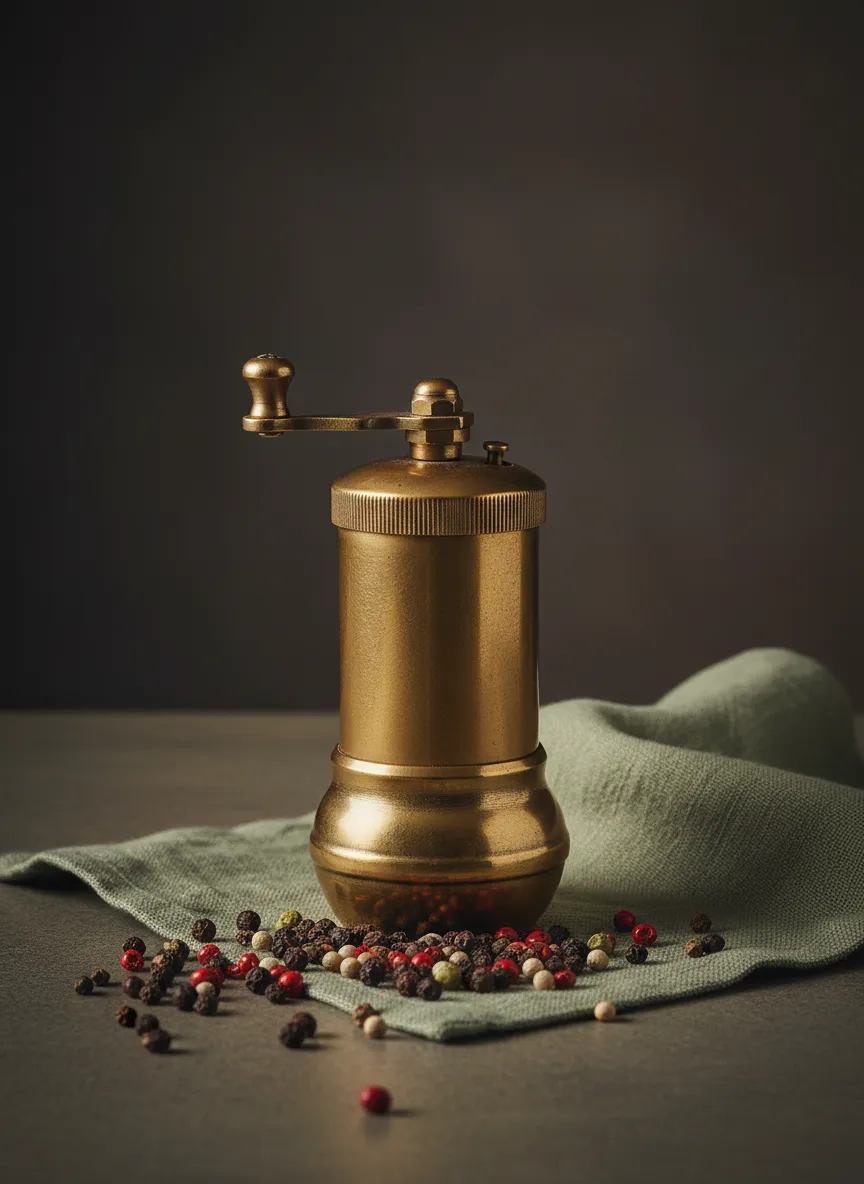
Read Labels Like a Chef
Master the art of reading between the lines. A true cook’s intuition begins with understanding exactly what goes into the pantry.
Spotting Hidden Sugars
Manufacturers often mask sugars under dozens of unfamiliar names. Look for words ending in '-ose' or syrups to uncover the true sweet content.
The 5-Ingredient Rule
When something has a long ingredient list, I take a second look before it goes in my cart. I want food that feels close to what I would use in my own kitchen — simple, familiar, and easy to understand.
Decoding Preservatives
Not all additives are harmful, but many are unnecessary. Learn to distinguish between natural preservatives like ascorbic acid and complex synthetic chemicals.
The Yogurt Swap
Discover the versatility and bright tang of swapping standard whole dairy for cultured yogurt.
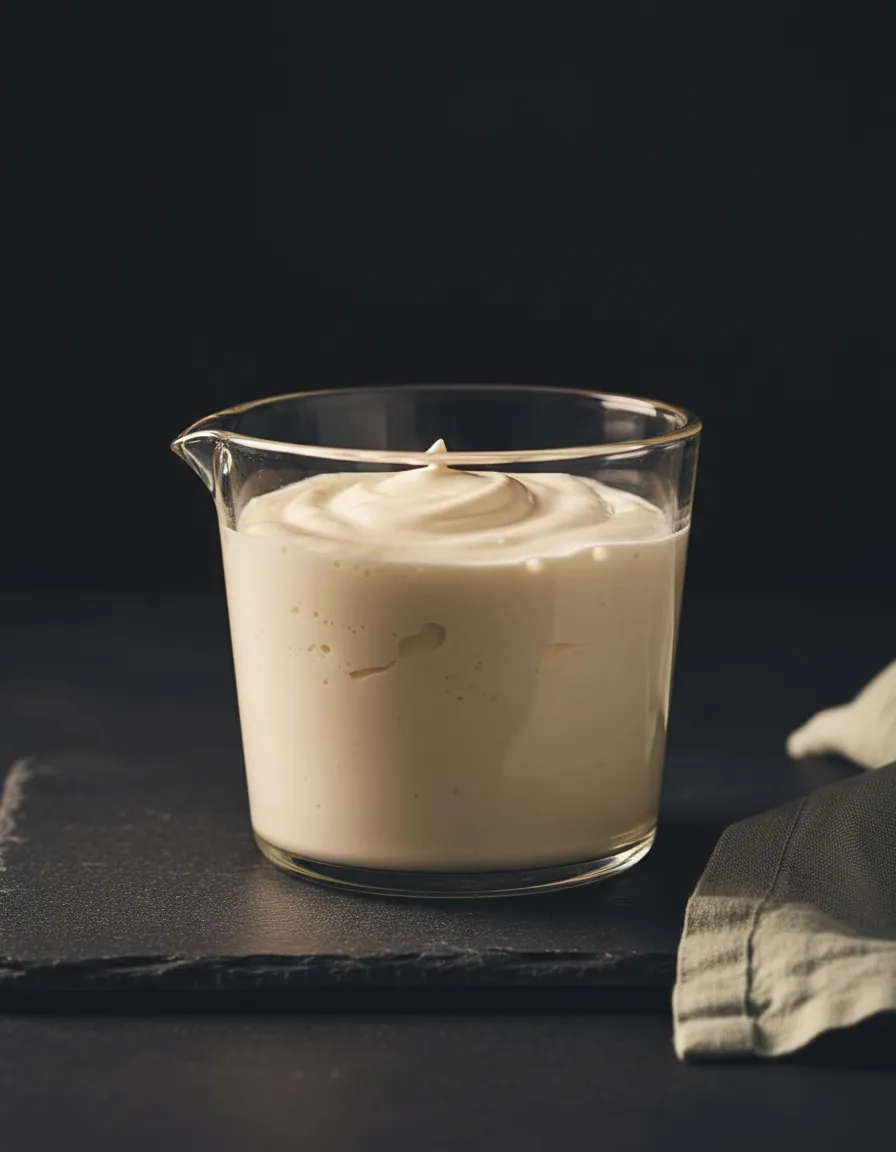
The Standard
Traditional heavy cream, commercial mayonnaise, and standard sour cream.
Often feels heavy and flat on the palate
Lacks complex, naturally occurring tang
Can easily mask delicate seasonal flavors
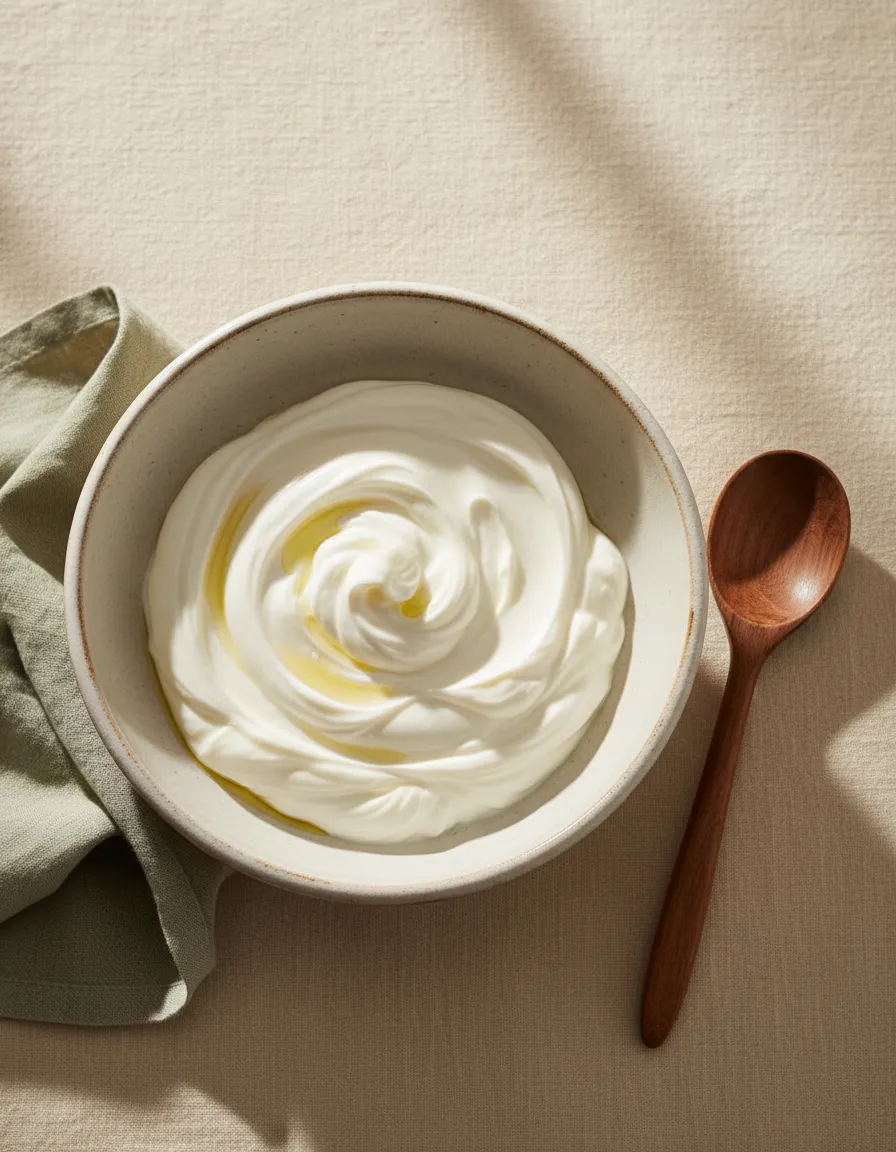
Whole Cultured Yogurt—a versatile staple of the modern heirloom kitchen.
Brings bright, balancing acidity to any dish
Provides a lighter, aerated texture for dressings
Enhances both sweet bakes and savory sauces
CUSTOM FLAVORS
Signature Blends
There is something special about making your own spice blends.
You get to decide the flavor, the salt, the heat, and whether it needs a little more warmth or a little more depth. A good mix of herbs and spices can turn everyday cooking into something that tastes more homemade — without reaching for a store-bought packet.
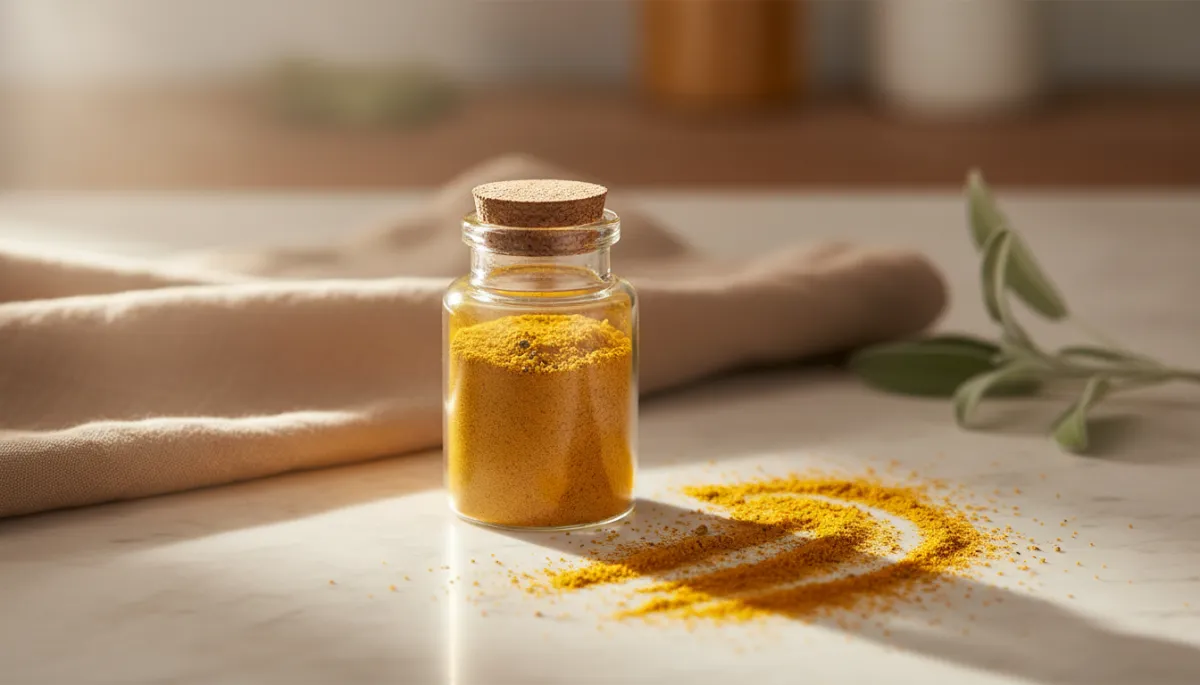
Golden Milk Base
A restorative blend of rich turmeric, cracked black pepper, and sweet cinnamon.
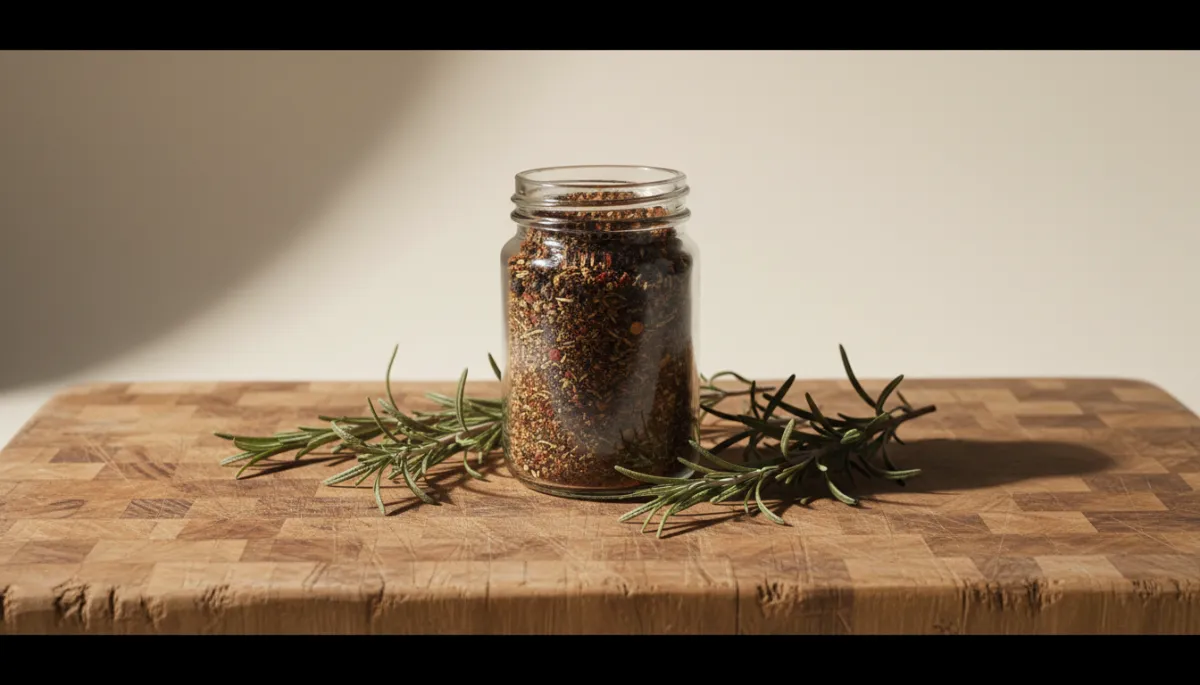
Savory Roast Rub
Coarse sea salt, cracked peppercorns, robust rosemary, and a touch of smoked paprika.
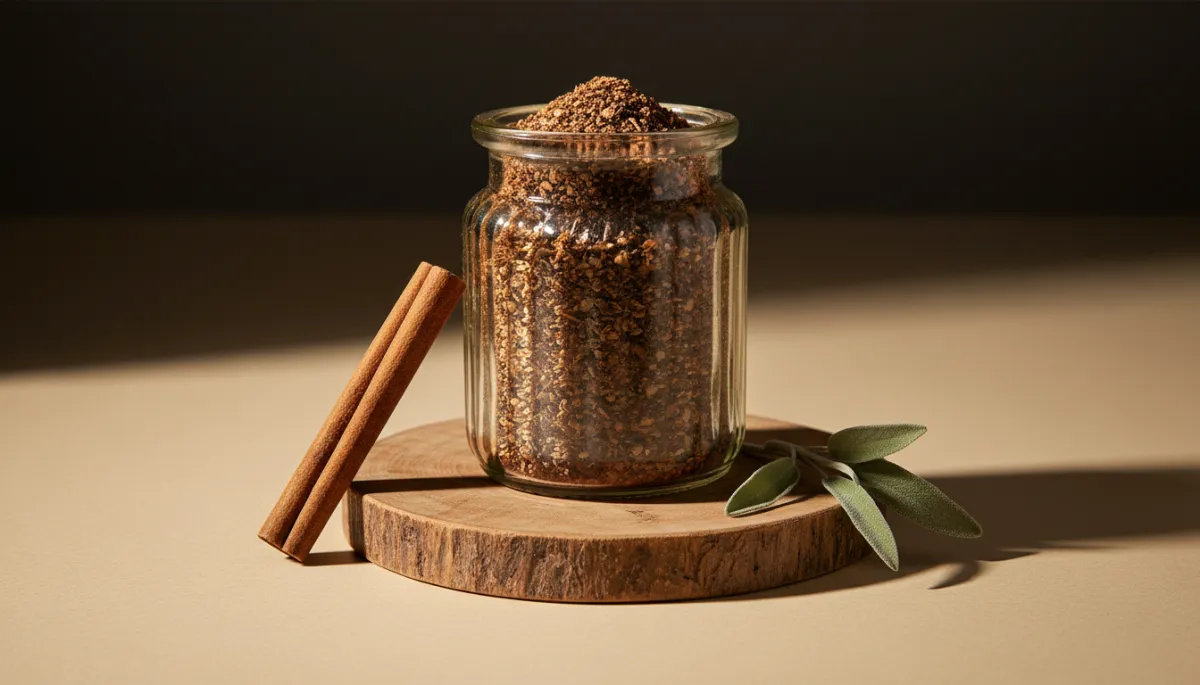
Baking Spice
Warm cardamom, nutmeg, and fragrant allspice perfectly proportioned for sweet morning pastries.
HERB STORAGE
Preserve Freshness
Extend the life of your delicate greens with these three essential steps.
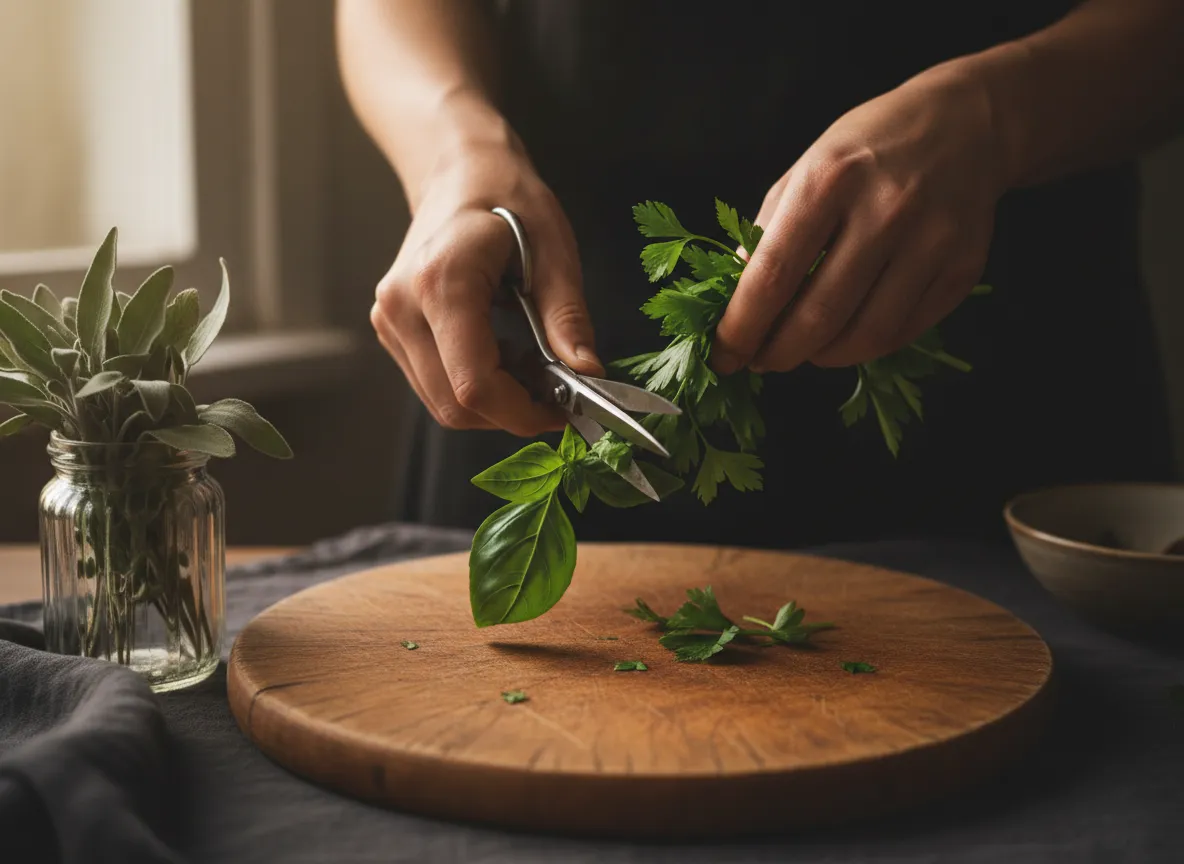
01
Trim the Stems
Treat soft herbs a little like flowers.
Trim the bottoms of the stems, place them in a small jar with water, and let them stay fresh a little longer. Parsley, cilantro, and mint do especially well this way.
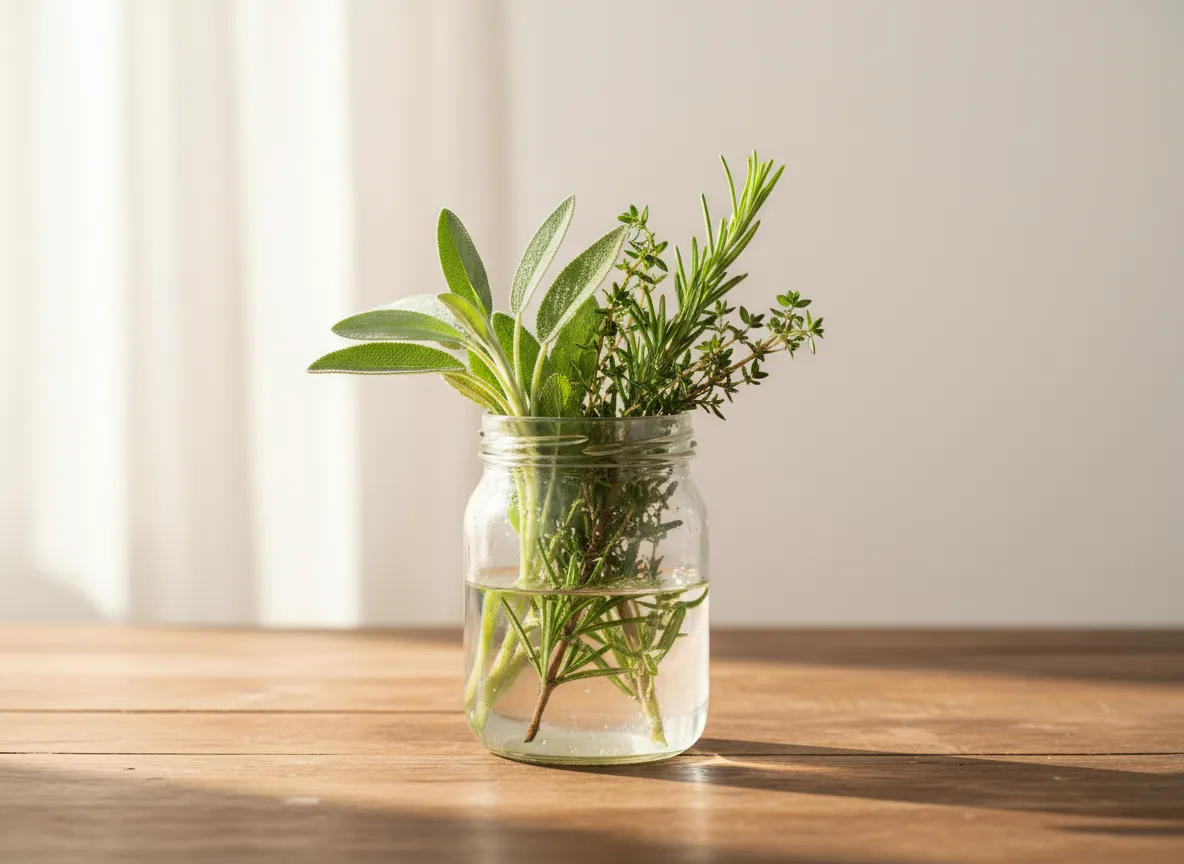
02
Provide Water
Give the stems water, but keep the leaves dry.
After trimming soft herbs, place them in a small jar with just enough cool water to cover the stems. The leaves should stay above the water so they do not get soggy.
03
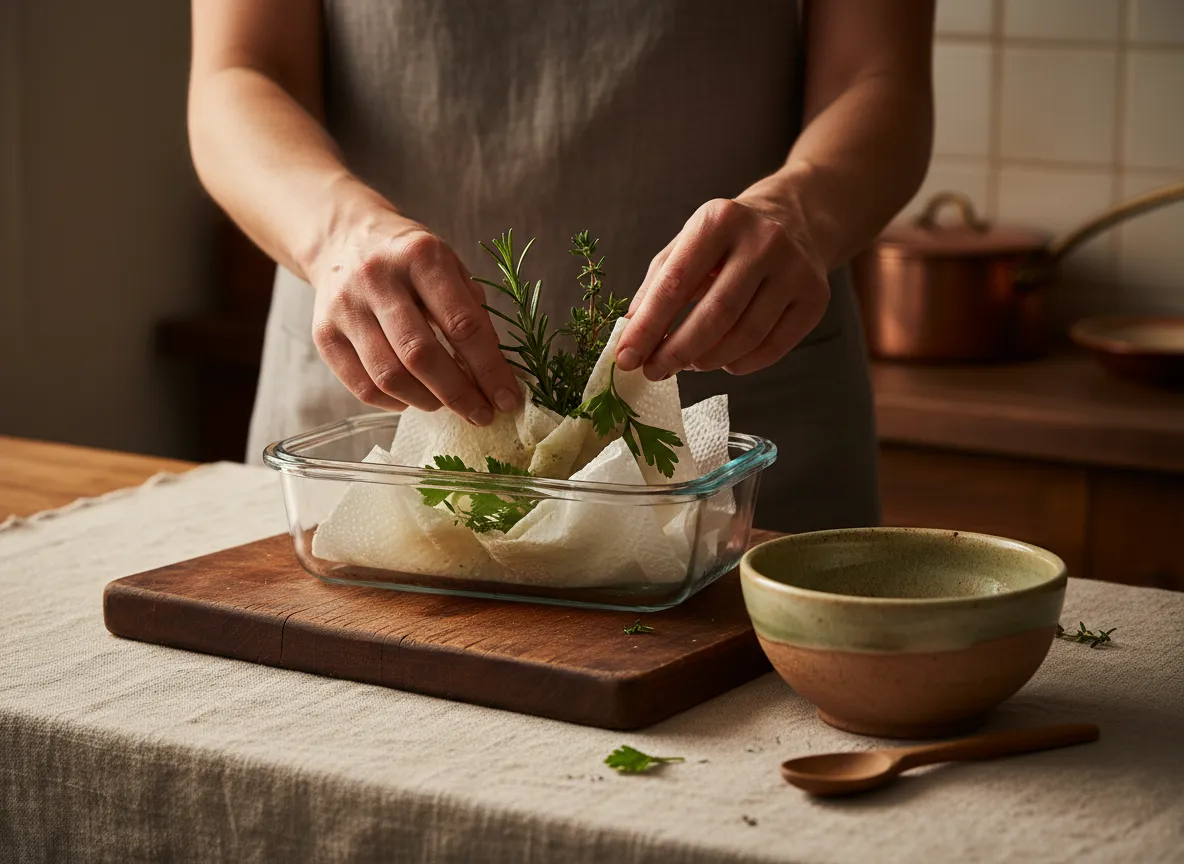
Cover and Chill
Cover them loosely so they do not dry out.
Once the herbs are standing in water, place a loose bag or lightly damp paper towel over the top and keep them in the refrigerator. It helps hold in just enough moisture without smothering the leaves.
FROZEN AT PEAK
Pantry Powerhouses
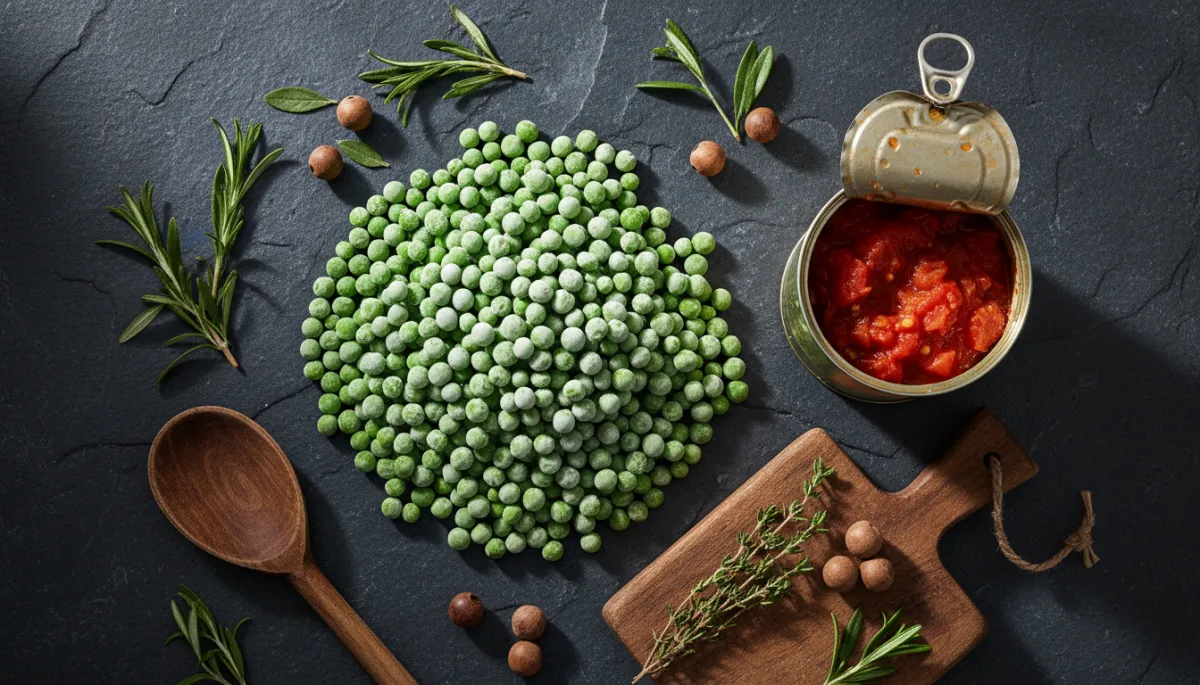
Canned and frozen foods can be real kitchen helpers.
They are picked and preserved when they are ready, which means they can still bring good flavor, color, and usefulness to everyday cooking. I like keeping them on hand because they make it easier to get a real meal on the table.
A PERSONAL NOTE
Wisdom for Everyday
These are the little habits that make a kitchen feel steady.
Some days you are trying to get dinner on the table fast. Other days you have time to let something simmer, bake, or rise slowly. Either way, these simple kitchen practices help bring a little more warmth, confidence, and calm into everyday cooking.
CLARITY BEFORE YOU COOK
Common Questions
Every good kitchen starts with learning as you go.
You do not have to know everything before you begin. Start with what you have, ask good questions, and let each small habit teach you something along the way.
How long do homemade spice blends last?
When stored in an airtight glass jar in a cool, dark place, our signature blends maintain their peak flavor for up to six months. You can still use them after, but they'll slowly lose their vibrancy.
Can I freeze cultured yogurt?
Yes, but the texture will change. Freezing is perfect if you plan to use it for baking, smoothies, or marinades. For eating fresh with fruit, it’s best enjoyed straight from the fridge.
Do I really need to buy organic for everything?
Not necessarily. We recommend focusing on the 'Dirty Dozen' for produce, and investing in high-quality staples like olive oil and sea salt. For the rest, buy what fits your budget and wash well.
What if I don't have fresh herbs?
Dried herbs are a wonderful substitute! Since they are more concentrated, use about one-third the amount of fresh herbs called for in a recipe. Rub them between your fingers before adding to release their oils.
Can I adapt these methods for dietary restrictions?
Absolutely. Our foundational techniques are designed to be flexible. Whether you're swapping dairy for plant-based alternatives or adjusting grains, the core philosophy of intuitive cooking remains the same.
From Her Kitchen,
With Love.
Old-fashioned comfort, made better for today with farm-fresh, non-GMO ingredients.
EXPLORE
Home
Recipes
About Orvilda
Shop Favorites
SUPPORT
Contact Us
Privacy Policy
Terms of Service
CONNECT


We may earn a small commission from recommended kitchen tools and pantry staples, at no extra cost to you. We only share what we genuinely use and love.
© 2026 Orvilda. From her kitchen, with love